
PokerTalk
NEWS
포톡17d ago

The Bluffs That Changed Poker History

Video thumbnail 1

In poker, some bluffs do more than win a pot. They change careers, redefine tournaments, and sometimes alter the direction of the entire game.

Over the years, fans have witnessed countless successful bluffs at the World Series of Poker, on televised cash games, and on modern livestreams. Most are forgotten. A few, however, remain etched in poker history because of what followed after.

The Bluff That Sparked the Poker Boom

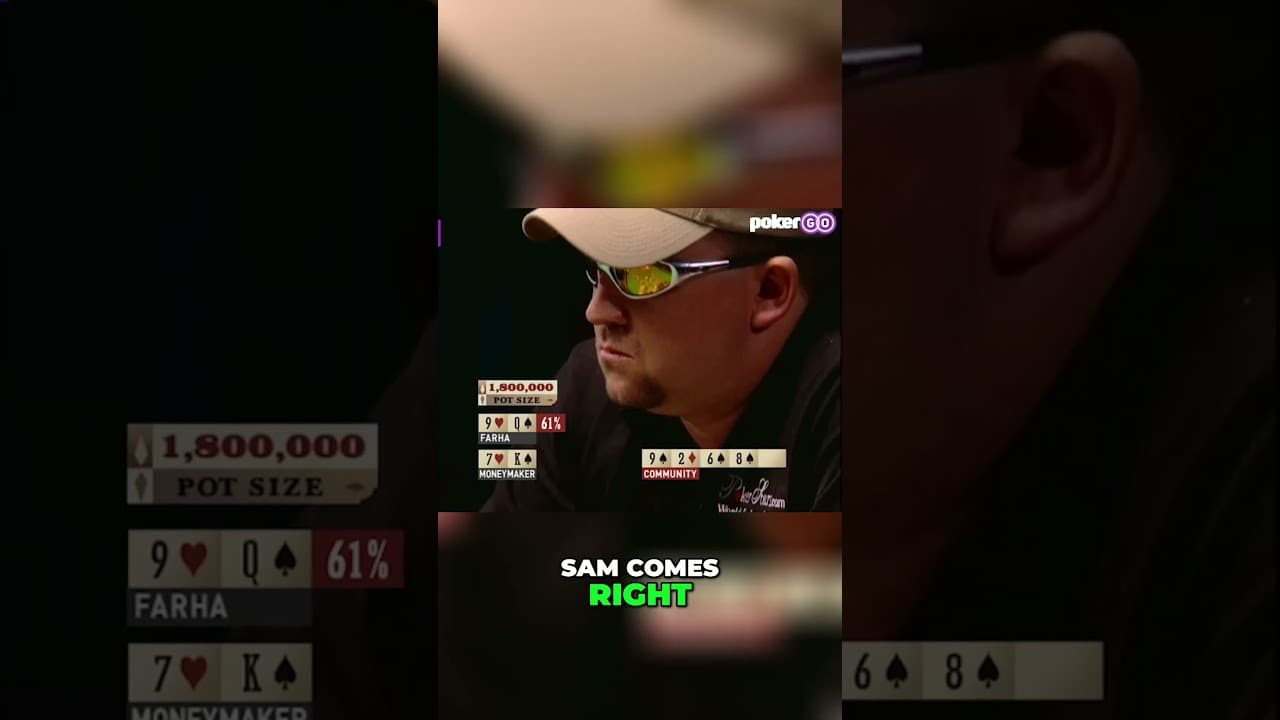
The most famous bluff of all came in the 2003 WSOP Main Event. Chris Moneymaker, an unknown amateur at the time, faced veteran pro Sammy Farha in heads-up play.

Holding only king-high, Moneymaker shoved all-in. Farha tanked and eventually folded.

That single decision became known as the “Bluff of the Century.” Moneymaker went on to win the tournament, and his victory triggered a global poker boom that brought millions of new players into the game. Had that bluff failed, poker’s modern landscape might look very different today.

History Repeats Itself at the WSOP

A similar moment occurred during the 2016 WSOP Main Event. Qui Nguyen, a low-stakes cash game regular, fired massive bets with nothing but jack-high against Gordon Vayo, who held top pair.

Despite being ahead, Vayo could not bring himself to call. That fold shifted the momentum entirely. Nguyen maintained control, won the championship, and secured his place in poker history.

Once again, a single bluff proved more powerful than the cards themselves.

Even Phil Ivey Can Be Bluffed

Cash game history has its own legendary moments. In 2007 on High Stakes Poker, Brad Booth made one of the boldest moves ever seen on television by shoving all-in against Phil Ivey.

Ivey held the best hand — an overpair — but after a long tank, he folded.

Bluffing Phil Ivey is something very few players can claim. That hand remains one of the most memorable bluffs in televised poker history, though Booth’s later financial struggles also showed that iconic moments don’t always lead to lasting success.

When a Bluff Goes Wrong

Not every historic bluff ends positively.

In 2022, a controversial hand on Hustler Casino Live between Robbi Jade Lew and Garrett Adelstein sent shockwaves through the poker community. Lew called a massive bet with only jack-high, while Adelstein was semi-bluffing.

Although Lew won the pot, accusations, debates, and community division followed. Neither player returned to the show, and the hand became a symbol of how a single decision can impact reputations, careers, and trust within the poker world.

More Than Just a Move

These hands share one thing in common: they weren’t about the cards.

They were about timing, pressure, psychology, and understanding the moment. A bluff can win a tournament, ignite a global boom, or permanently change how a player is viewed.

That’s why bluffing remains the most dangerous — and most fascinating — part of poker.

In poker, some bluffs do more than win a pot. They change careers, redefine tournaments, and sometimes alter the direction of the entire game. Over the years, fans have witnessed countless successful bluffs at the World Series of Poker, on televised cash games, and on modern livestreams. Most are forgotten. A few, however, remain etched in poker history because of what followed after. The Bluff That Sparked the Poker Boom The most famous bluff of all came in the 2003 WSOP Main Event. Chris Moneymaker, an unknown amateur at the time, faced veteran pro Sammy Farha in heads-up play. Holding only king-high, Moneymaker shoved all-in. Farha tanked and eventually folded. That single decision became known as the “Bluff of the Century.” Moneymaker went on to win the tournament, and his victory triggered a global poker boom that brought millions of new players into the game. Had that bluff failed, poker’s modern landscape might look very different today. History Repeats Itself at the WSOP A similar moment occurred during the 2016 WSOP Main Event. Qui Nguyen, a low-stakes cash game regular, fired massive bets with nothing but jack-high against Gordon Vayo, who held top pair. Despite being ahead, Vayo could not bring himself to call. That fold shifted the momentum entirely. Nguyen maintained control, won the championship, and secured his place in poker history. Once again, a single bluff proved more powerful than the cards themselves. Even Phil Ivey Can Be Bluffed Cash game history has its own legendary moments. In 2007 on High Stakes Poker, Brad Booth made one of the boldest moves ever seen on television by shoving all-in against Phil Ivey. Ivey held the best hand — an overpair — but after a long tank, he folded. Bluffing Phil Ivey is something very few players can claim. That hand remains one of the most memorable bluffs in televised poker history, though Booth’s later financial struggles also showed that iconic moments don’t always lead to lasting success. When a Bluff Goes Wrong Not every historic bluff ends positively. In 2022, a controversial hand on Hustler Casino Live between Robbi Jade Lew and Garrett Adelstein sent shockwaves through the poker community. Lew called a massive bet with only jack-high, while Adelstein was semi-bluffing. Although Lew won the pot, accusations, debates, and community division followed. Neither player returned to the show, and the hand became a symbol of how a single decision can impact reputations, careers, and trust within the poker world. More Than Just a Move These hands share one thing in common: they weren’t about the cards. They were about timing, pressure, psychology, and understanding the moment. A bluff can win a tournament, ignite a global boom, or permanently change how a player is viewed. That’s why bluffing remains the most dangerous — and most fascinating — part of poker.
82
0

Comments

Popular Posts
Poker News