

Poker News & Tournament Updates
Delivering fast and accurate news on schedules, results, and winners from major poker tournaments including WSOP, EPT, and APT.
Bellande Claims Cyprus High Roller Title, Wins $1.5 Million Career-Best Payday

Jean-Robert Bellande captured a dramatic victory in Cyprus, winning the Onyx High Roller Championship at Merit Royal Diamond for a career-best $1.5 million. The event carried a $100,000 buy-in and drew a field of 50 high-stakes players, creating a $5 million prize pool paid out to the top eight finishers. From Chip Leader to the Brink Early Bellande entered the final day in a strong position after dominating the last two tables and building a healthy chip lead. That advantage disappeared quickly when Pieter Aerts hit a miracle river to complete a set, cracking Bellande’s two pair and stripping him of most of his stack. Aerts surged into a commanding chip lead, and Bellande suddenly found himself facing a very real elimination threat. Bubble Bursts and the Field Thins Out The tournament turned once Artur Martirosian exited on the money bubble. Eliminations followed in quick succession as Gha Iakobishvili and Biao Ding were knocked out, with France’s Emilien Pitavy finishing sixth. At that stage, Rob Yong held the chip lead, but Bellande stayed alive by doubling through both Aerts and Thomas Eychenne, keeping his title hopes intact. Heads-Up Between Friends Ends in One Key Hand After Markkos Ladev exited in third and Aerts fell in fourth, the tournament came down to a heads-up battle between Bellande and Yong. The matchup remained close until a mistimed bluff swung momentum. In the decisive hand, Yong moved in with pocket fives on a full board, only to be called by Bellande holding pocket jacks, sealing the win. Career Milestone and Long-Awaited Breakthrough The $1.5 million payout nearly doubled Bellande’s previous best result, a second-place finish in the 2015 Poker Players Championship worth $748,828. It also ended a long stretch without a six-figure score since he captured his first WSOP bracelet in the $5,000 Six-Max event, marking one of the most significant victories of his career.
Ren Lin storms back from 2BB to win APT Jeju Super High Roller
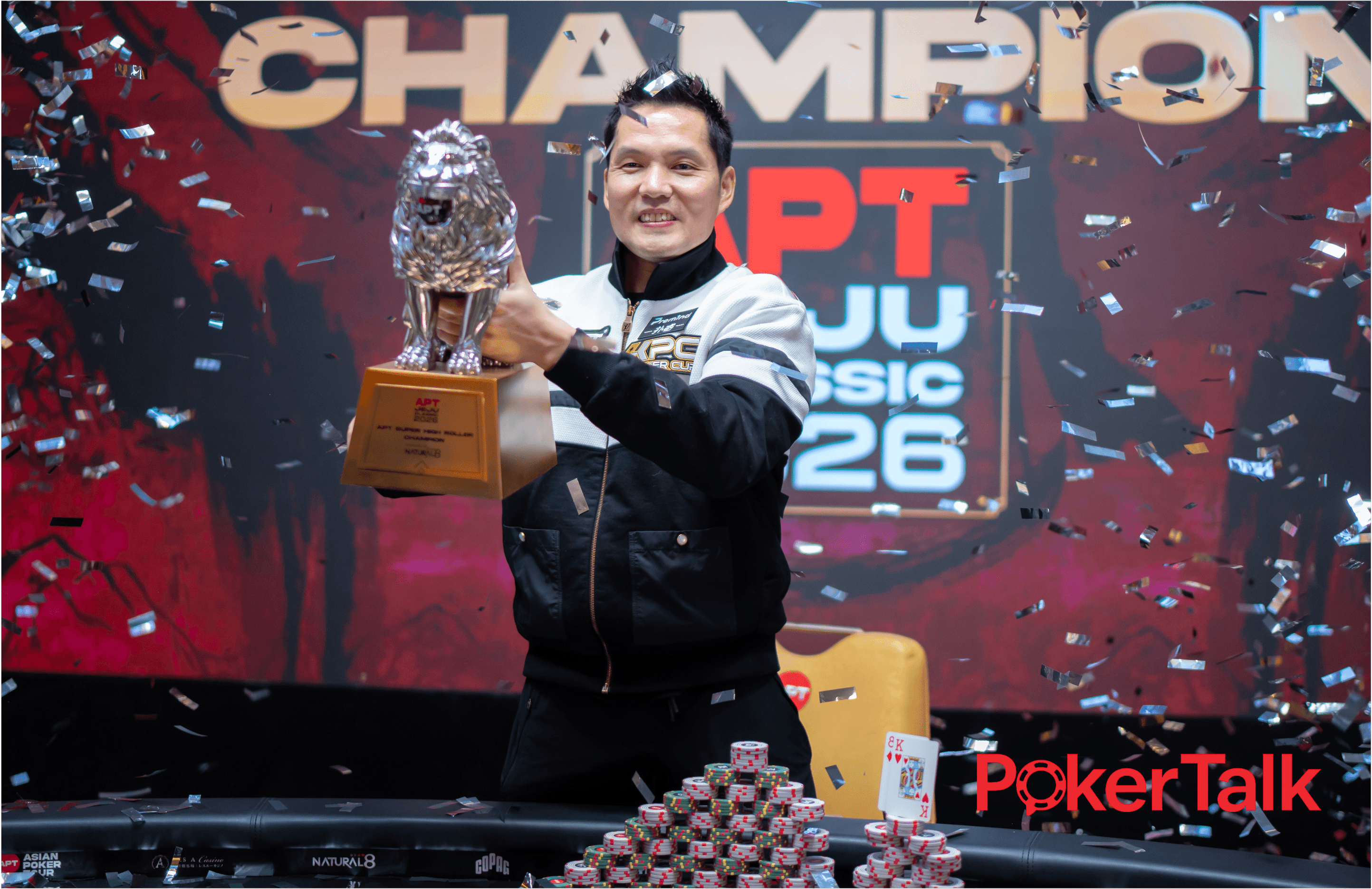
The opening chapter of the APT 20th anniversary season delivered instant drama in Jeju. Ren Lin pulled off a remarkable comeback to win the APT Jeju Classic 2026 Super High Roller, setting the tone for the milestone series. The event marked the largest APT Super High Roller ever held in South Korea. With a buy-in of $10,400, the tournament drew 115 entries and generated a prize pool exceeding $1.1 million. The field featured a deep mix of elite high-stakes regulars and established international tournament winners. The defining moment came during three-handed play. Lin had lost his chip lead and was reduced to just two big blinds, seemingly on the brink of elimination. A sequence of timely double-ups shifted the momentum, allowing him to claw his way back into contention. The tournament-turning hand unfolded against Ryuta Nakai. Lin moved all-in holding pocket queens and was called by Nakai’s pocket kings. What appeared to be the end instead became the turning point when a queen hit the flop, flipping the outcome and handing Lin the chip lead. The heads-up match concluded just four hands later. With the victory, Ren Lin secured over $275,000 in prize money, claimed the Mega Lion trophy, and earned a seat in the season-ending APT Championship Main Event. Action elsewhere at the APT Jeju Classic continued to build. The APT National Cup attracted 690 entries, with Junyu Huang overcoming a significant heads-up deficit to capture the title. The first women’s event of the series was won by Chao Tang, kicking off a daily schedule of women’s tournaments throughout the festival. Attention now shifts toward the APT Main Event. The first starting flight recorded 421 entries, surpassing last year’s opening flight total. A total of 145 players have already advanced to Day 2, with additional flights set to add to the field in the coming days.
Tobey Maguire Testifies Over High-Stakes Poker Debt Involving Billionaire Andy Beal
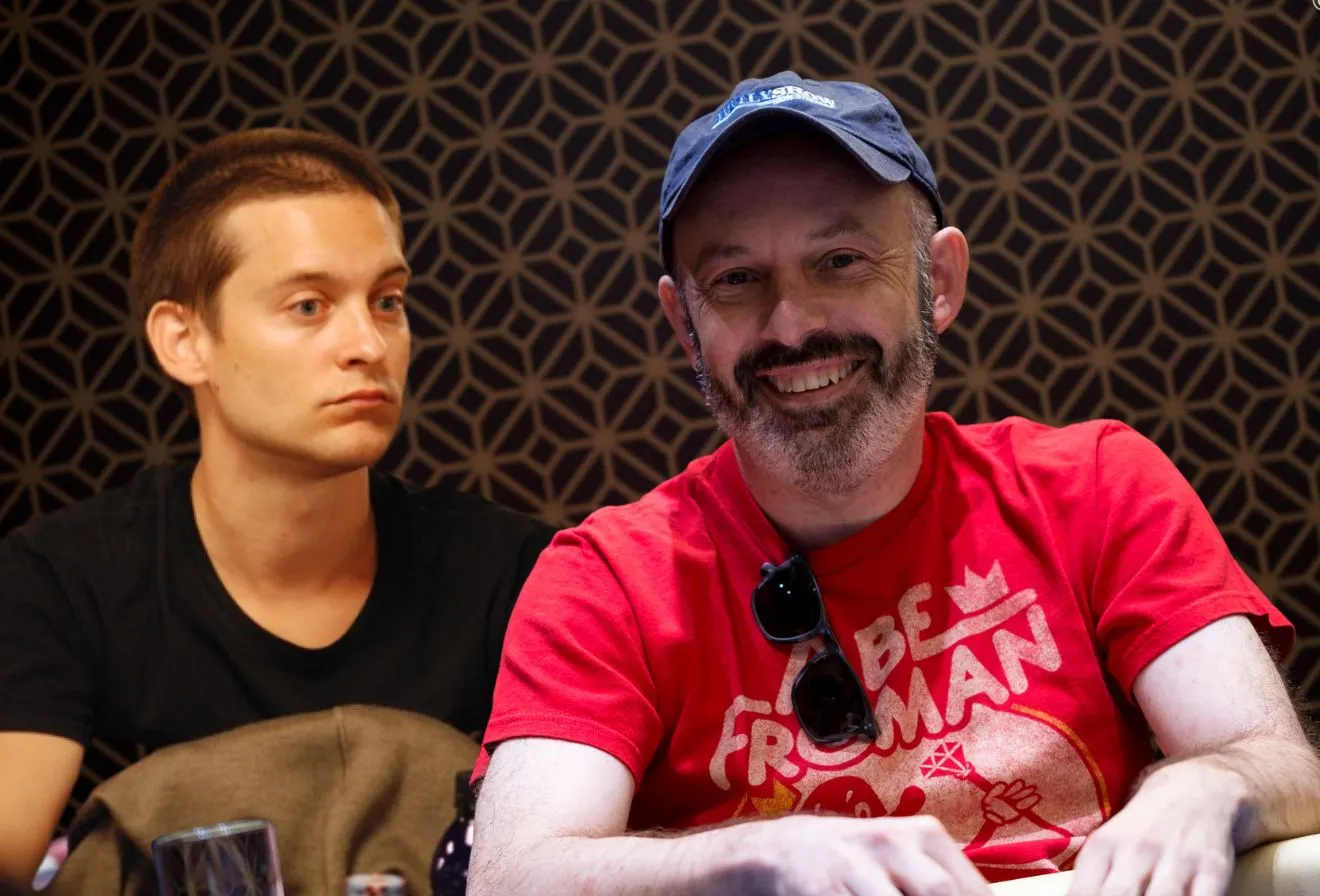
Hollywood actor Tobey Maguire testified this week in a U.S. federal court regarding a high-stakes poker debt dispute involving billionaire banker and longtime poker player Andy Beal. The dispute dates back to a private poker game held in Dallas in December 2019. According to court testimony, Maguire won a total of $15.6 million from Beal during the session, with approximately $7.8 million representing Maguire’s personal share. However, Beal did not immediately pay the amount owed. Prosecutors stated that payment delays continued for an extended period and also affected side bettors who were owed additional sums. Court filings allege that Beal later proposed settling the debt for significantly less than the full amount, an offer Maguire declined. Maguire told the court that he then hired attorney Tom Goldstein to help recover the unpaid poker winnings, paying roughly $500,000 in legal fees. During cross-examination, Maguire noted that in high-stakes poker circles, it is not unusual for large transactions and debts to occur without formal documentation. Andy Beal is well known in the poker world for his legendary heads-up matches against elite professionals such as Doyle Brunson, Phil Ivey, Jen Harman, and Ted Forrest. His poker history has been documented in the book The Professor, the Banker, and the Suicide King. The trial has also featured testimony from other high-profile figures in the poker world. Billionaire Alec Gores, who previously played against Goldstein, testified earlier in the case. High-stakes poker professional Vivek Rajkumar also took the stand, stating that he won several hundred thousand dollars playing poker with Goldstein and provided him with a short-term loan in 2020. The case has drawn additional attention after prosecutors subpoenaed journalists connected to a 2025 feature story on Goldstein, raising concerns about press freedom. Goldstein faces multiple charges, including tax evasion, filing false tax returns, and making false statements to lenders. The trial is expected to conclude in mid-February. What began as a private poker game has now become a public courtroom dispute, offering a rare glimpse into the realities of ultra high-stakes poker and the financial risks behind it.
Why Poker Is Getting Faster: The Rise of Speed-Focused Formats

In recent years, online poker platforms have increasingly introduced formats designed to shorten playtime and accelerate decision-making. Variants such as Zoom, Rush, Spin & Go, Flip & Go, and Mystery Bounty tournaments have expanded rapidly across major operators, signaling a broader shift in how poker is being structured. Industry observers note that this trend reflects more than a temporary preference among players. Traditional poker formats, particularly long multi-table tournaments, demand extended periods of focus and time commitment. In online environments, lengthy wait times between hands have been identified as a key factor behind player fatigue and early exits. To address this, operators have focused on reducing downtime. Fast-fold formats like Zoom and Rush remove table waiting entirely by reseating players immediately after a fold. Spin & Go and jackpot sit-and-go tournaments compress gameplay into short sessions with randomized prize pools, allowing results to be determined within minutes. Flip & Go and all-in-or-fold formats further simplify gameplay by limiting decisions and accelerating hand resolution. As game duration shortens, the influence of long-term skill naturally decreases. However, this design is often viewed as a feature rather than a drawback. Faster formats lower the entry barrier for inexperienced players and increase overall participation by making outcomes feel more immediately attainable. At the same time, hybrid formats such as Mystery Bounty tournaments have gained popularity by preserving standard tournament structures while introducing high-variance rewards. In these events, eliminating an opponent can trigger a random bounty payout, sometimes rivaling top-prize amounts, even without a deep run. Analysts suggest that the continued expansion of speed-focused poker formats reflects a strategic response to changing player behavior. As attention spans shorten and competition for time intensifies, poker is evolving from a game defined by endurance into one built around rapid decisions and frequent engagement.
A $900K Pot That Never Happened: The Check-Back Ending That Froze a Super High Roller Table

A strange and anticlimactic hand unfolded during PokerGO’s Super High Roller cash game — one that looked destined to become a $900,000 monster pot, but instead ended with two quiet checks on the river. The hand featured Sam “Senor Tilt” Kiki and Darin Feinstein, the same two players who were involved in last week’s controversial High Stakes Poker Season 15 hand. This time, however, there was no drama or tension between them — just an ending that left viewers stunned. The game was a $500/$1,000 No-Limit Hold’em cash session, with straddles reaching up to $16,000, plus occasional $50,000 PLO flips, creating the usual loose and aggressive super high roller atmosphere. The key hand began with five players limping for $2,000. Kiki held 9♥7♥, while Feinstein had 5♥4♥. The flop came 10♥ K♥ 2♥, putting three hearts on the board. After checks from Kiki and Antonio Esfandiari, Feinstein bet $25,000, and only Kiki called. The turn was the 4♠. Kiki checked again with $427,000 behind, Feinstein fired $75,000, and Kiki called once more. At this point, most viewers — and the commentators — were expecting fireworks on the river. Instead, the river brought a clean 6♣. No pairing. No new draws. And somehow… no bet. Both players checked their flushes, and the pot — now $212,000 — went to Feinstein. A hand that easily could have ballooned into one of the biggest pots of the week ended in silence. The commentators were visibly shocked. “I can’t believe he checked back,” Brent Hanks said on the broadcast. Ali Nejad added that this was a clear example of why a check-raise on the turn can be so important. At the table, Kiki joked, saying Feinstein was “locking it up,” poking fun at the unusually conservative line. Moments later, Kiki admitted, “I should’ve bet. I really should’ve.” Feinstein’s response was simple: “No comment.”
The Bluffs That Changed Poker History
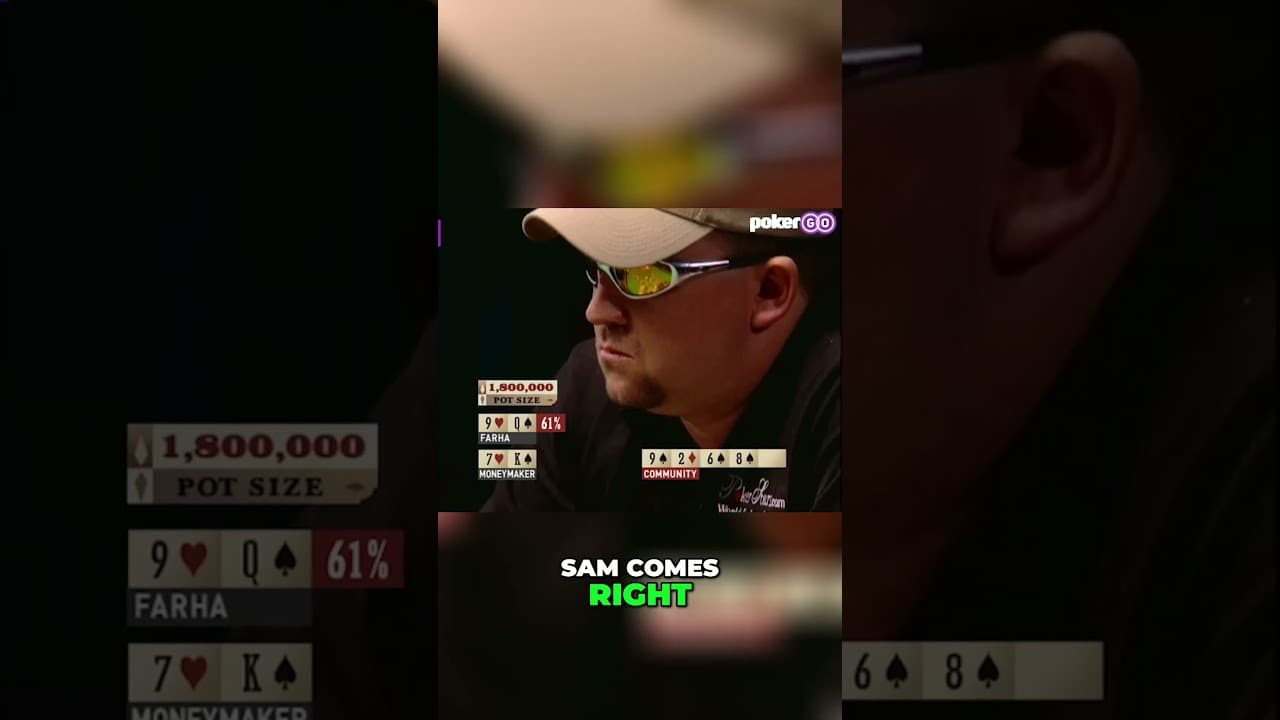
In poker, some bluffs do more than win a pot. They change careers, redefine tournaments, and sometimes alter the direction of the entire game. Over the years, fans have witnessed countless successful bluffs at the World Series of Poker, on televised cash games, and on modern livestreams. Most are forgotten. A few, however, remain etched in poker history because of what followed after. The Bluff That Sparked the Poker Boom The most famous bluff of all came in the 2003 WSOP Main Event. Chris Moneymaker, an unknown amateur at the time, faced veteran pro Sammy Farha in heads-up play. Holding only king-high, Moneymaker shoved all-in. Farha tanked and eventually folded. That single decision became known as the “Bluff of the Century.” Moneymaker went on to win the tournament, and his victory triggered a global poker boom that brought millions of new players into the game. Had that bluff failed, poker’s modern landscape might look very different today. History Repeats Itself at the WSOP A similar moment occurred during the 2016 WSOP Main Event. Qui Nguyen, a low-stakes cash game regular, fired massive bets with nothing but jack-high against Gordon Vayo, who held top pair. Despite being ahead, Vayo could not bring himself to call. That fold shifted the momentum entirely. Nguyen maintained control, won the championship, and secured his place in poker history. Once again, a single bluff proved more powerful than the cards themselves. Even Phil Ivey Can Be Bluffed Cash game history has its own legendary moments. In 2007 on High Stakes Poker, Brad Booth made one of the boldest moves ever seen on television by shoving all-in against Phil Ivey. Ivey held the best hand — an overpair — but after a long tank, he folded. Bluffing Phil Ivey is something very few players can claim. That hand remains one of the most memorable bluffs in televised poker history, though Booth’s later financial struggles also showed that iconic moments don’t always lead to lasting success. When a Bluff Goes Wrong Not every historic bluff ends positively. In 2022, a controversial hand on Hustler Casino Live between Robbi Jade Lew and Garrett Adelstein sent shockwaves through the poker community. Lew called a massive bet with only jack-high, while Adelstein was semi-bluffing. Although Lew won the pot, accusations, debates, and community division followed. Neither player returned to the show, and the hand became a symbol of how a single decision can impact reputations, careers, and trust within the poker world. More Than Just a Move These hands share one thing in common: they weren’t about the cards. They were about timing, pressure, psychology, and understanding the moment. A bluff can win a tournament, ignite a global boom, or permanently change how a player is viewed. That’s why bluffing remains the most dangerous — and most fascinating — part of poker.
Arden Cho’s Netflix Animated Film Earns Two Oscar Nominations

Poker player and actress Arden Cho is making headlines after a Netflix animated film she stars in received Oscar nominations. The movie has been nominated in two categories: Best Animated Feature and Best Original Song. Released on Netflix in June 2025, the film combines K-pop music with a fantasy storyline about a girl group fighting demons. It quickly gained global attention and strong word of mouth. The movie currently holds a 92% critic score and a 99% audience score on Rotten Tomatoes. Its main song, “Golden,” became a global hit, surpassing 1 billion views on YouTube within six months. The song is also nominated for Best Original Song. Arden Cho is well known in the poker world as well. She has appeared on Hustler Casino Live and The Big Game on Tour, with live tournament earnings of around $430,000. At the 2025 World Series of Poker, she finished 20th in a $10,000 Super Turbo Bounty event. In 2024, she finished runner-up in the $1 million PokerGO Tour Championship freeroll. The Academy Awards ceremony will take place on March 15. Poker fans are now watching to see if Cho’s journey from the poker table to the Oscar stage will continue.
GGPoker Confirms $10 Million Guaranteed GGMasters for 6th Anniversary

GGPoker has announced a special 6th anniversary edition of the GGMasters, featuring a $10 million guaranteed prize pool while keeping the $150 buy-in unchanged. The GGMasters is known for its freezeout format, a structure that does not allow re-entries and is widely regarded as one of the more skill-focused tournament formats in online poker. Since its launch six years ago with a $300,000 guarantee, the event has steadily grown into a flagship tournament with a regular $1 million guarantee. The anniversary edition will run from February 1 to February 9, featuring a total of seven Day 1 flights. Each flight concludes at the end of Level 25 or when 10% of the field remains. Players who advance from multiple flights will carry forward only their largest stack to Day 2. Day 2 takes place on February 9, with the tournament playing down to the final table. The final table action resumes on February 10. All Day 1 flights will be played as freezeouts. Based on the $138 + $12 buy-in structure, the tournament requires approximately 72,000 entrants to avoid an overlay. To support participation, GGPoker is running satellites starting from $2 around the clock. In addition to the main event, GGPoker will host the GGMasters Series from January 25 to February 9. Buy-ins across the series range from $25 to $1,050, with increased guarantees throughout the schedule. A $250,000 GGMasters ticket drop will also take place during the series, with tournament tickets awarded randomly to participants. With its massive guarantee and freezeout structure, the GGMasters 6th Anniversary event is expected to become one of the most closely watched online poker tournaments of the year.
Stephen Chidwick: “$76M in Cashes Doesn’t Mean $76M in Profit”
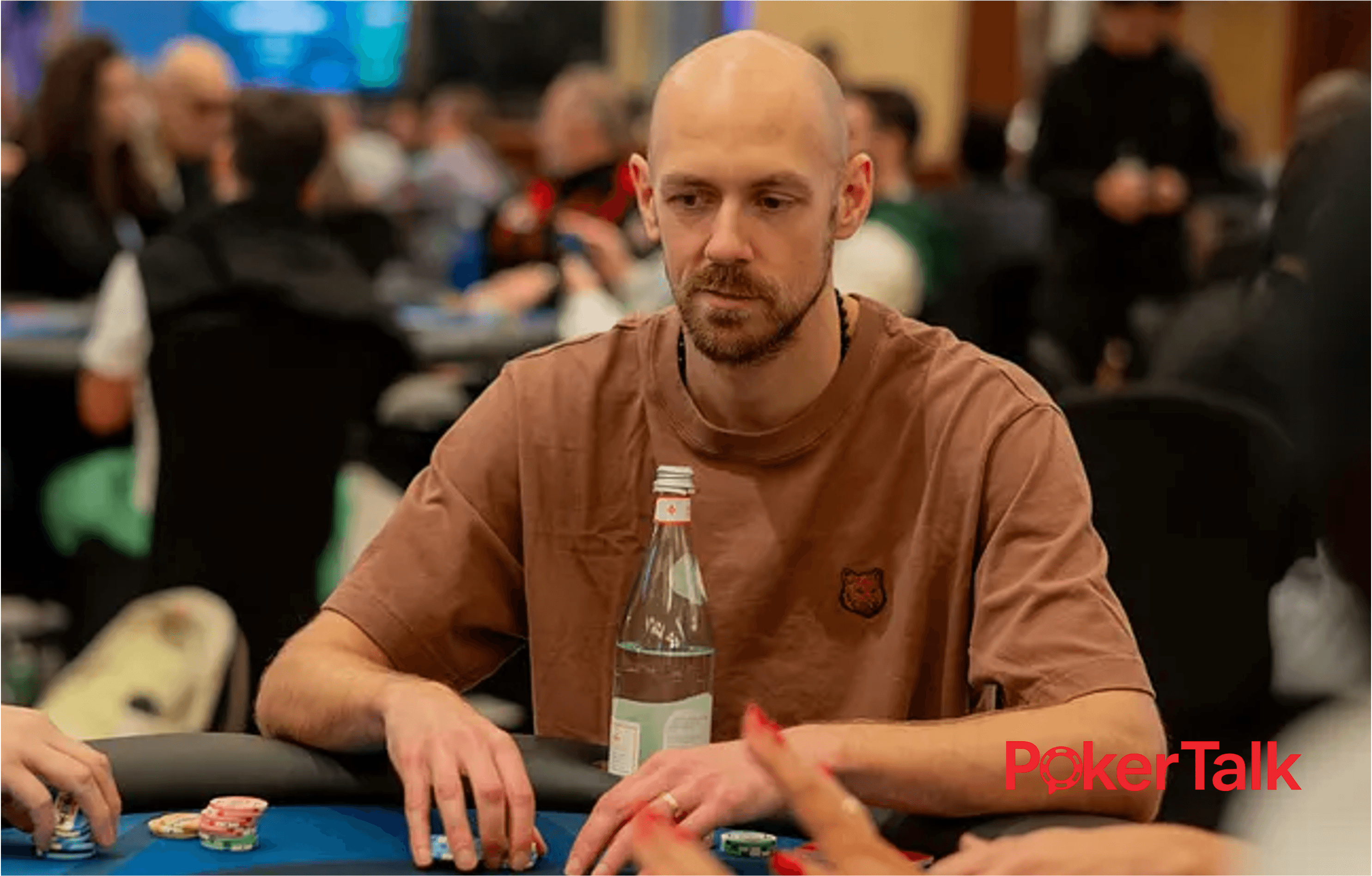
Poker legend Stephen Chidwick has revealed how much of his massive tournament earnings are actually profit — and the number is far smaller than many expect. During a recent Reddit AMA, Chidwick was asked how much of his $76 million in live tournament cashes (per The Hendon Mob) he has truly made. His estimate: around $5–10 million. Chidwick explained that high-roller tournament results do not reflect real profit. Expenses such as repeated six-figure buy-ins, international travel, taxes, backing arrangements, and action swaps significantly reduce net earnings. Most elite tournament players do not play entirely with their own money. His comments echo Daniel Negreanu’s earlier statement that high-roller winnings can be a “mirage.” Even players with eight-figure career cashes are often break-even or only modestly profitable once all costs are considered. Chidwick’s career résumé remains elite: two WSOP bracelets, 16 PokerGO Tour wins, and three Triton Poker titles. He currently ranks second all-time in live tournament earnings, trailing Bryn Kenney by roughly $4 million. When asked about modern tournament skills, Chidwick said that hand-reading and range construction have become undervalued in the solver era. Relying too heavily on simulations, he noted, can distract players from how opponents actually behave in real games. Despite the headlines and massive prize pools, Chidwick’s insight highlights a simple truth: in professional poker, gross winnings and real profit are very different numbers.
Why Marginal Made Hands Are So Difficult

A Practical Guide to Playing Tricky Hands in No-Limit Hold’em In no-limit Texas hold’em, few hands are more difficult to manage than marginal made hands. These include top pair with a weak kicker, middle pair, or hands like pocket jacks on coordinated boards. The core problem with marginal made hands is that they perform reasonably well in small pots, but their value drops sharply as the pot grows. This makes aggressive, multi-street betting a risky approach in many situations. When you continue betting on the flop, turn, and river, opponents are far more likely to continue only with stronger hands. Checking on at least one street, especially on the flop, helps control the pot size and increases the chance of inducing bluffs. Getting raised after betting with a marginal made hand is usually a bad sign. In practice, most players do not bluff-raise often enough to justify continuing, particularly against straightforward opponents. In these spots, folding is often the correct long-term decision. A common mistake many players make is calling a turn bet after checking the flop, only to fold every time they face a river bet. This pattern is easy to exploit and leads to unnecessary losses over time. When playing marginal made hands, it is important to include at least one check, avoid inflating the pot, and commit to a call-down plan when appropriate. If you decide to continue, be prepared to reach showdown. Marginal hands are not about forcing action, but about discipline, planning, and controlled decision-making.
50 Countries in One Year: A New Poker Record
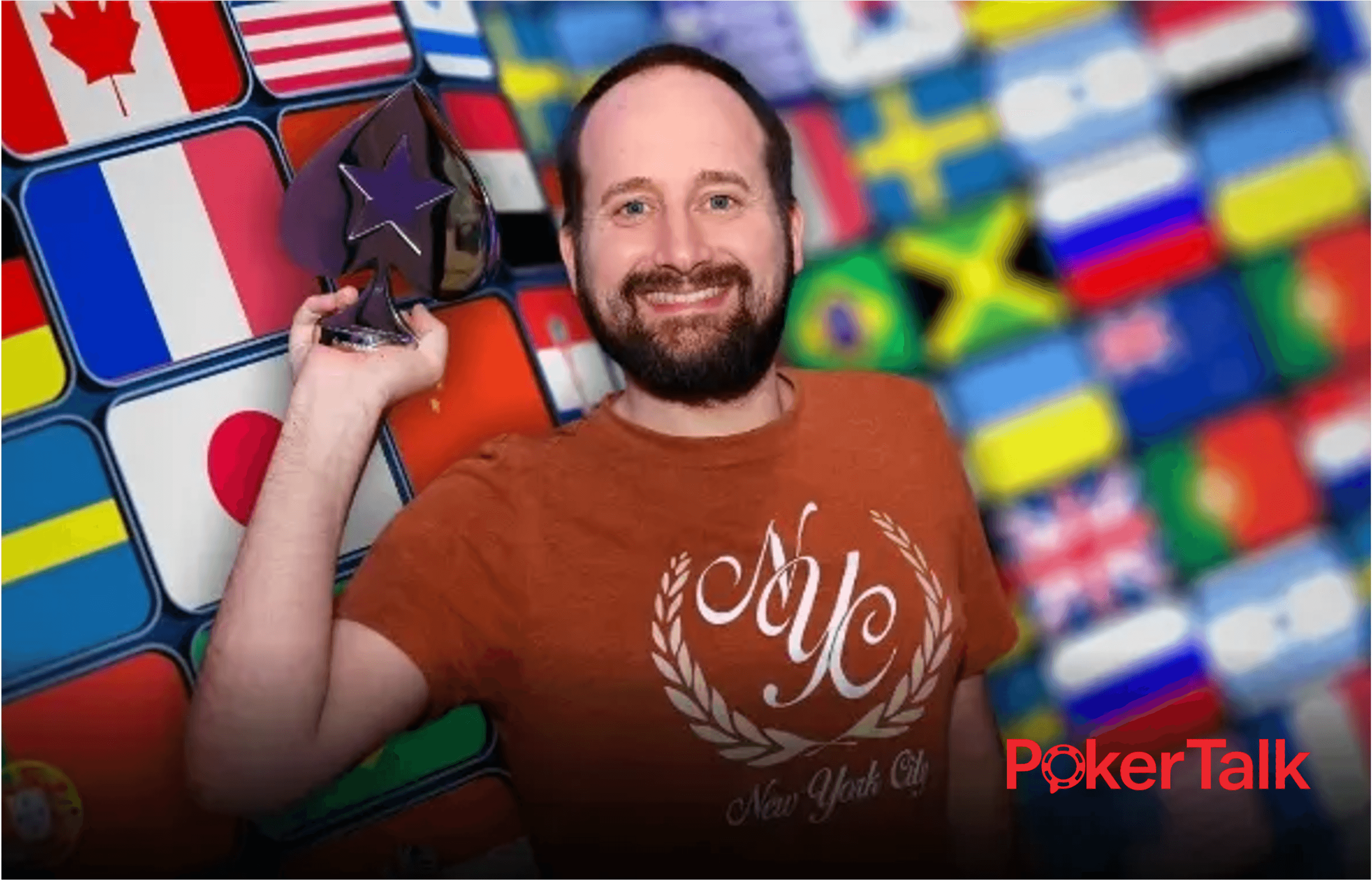
Dutch recreational player Koen Roos recorded tournament cashes in 50 different countries during the 2025 calendar year. The achievement surpasses the previous record of 48 countries, and Roos is currently seeking official world record recognition. How the Record Was Set Priority given to countries with limited annual events Constant schedule adjustments based on tournament availability Immediate travel after cashing, with no extended breaks Within the first 20 days, Roos cashed in five Asian countries and won tournaments in two others. The Toughest Stretch The South American leg proved the most demanding, with long travel times and repeated bubble finishes. Roos secured the final required cash in the last available event. What Comes Next Roos has set a long-term goal of 100 total countries over the next decade. The 2025 run marked the starting point, not the finish line.
1년간 50개국 포커 캐시… 신기록 달성
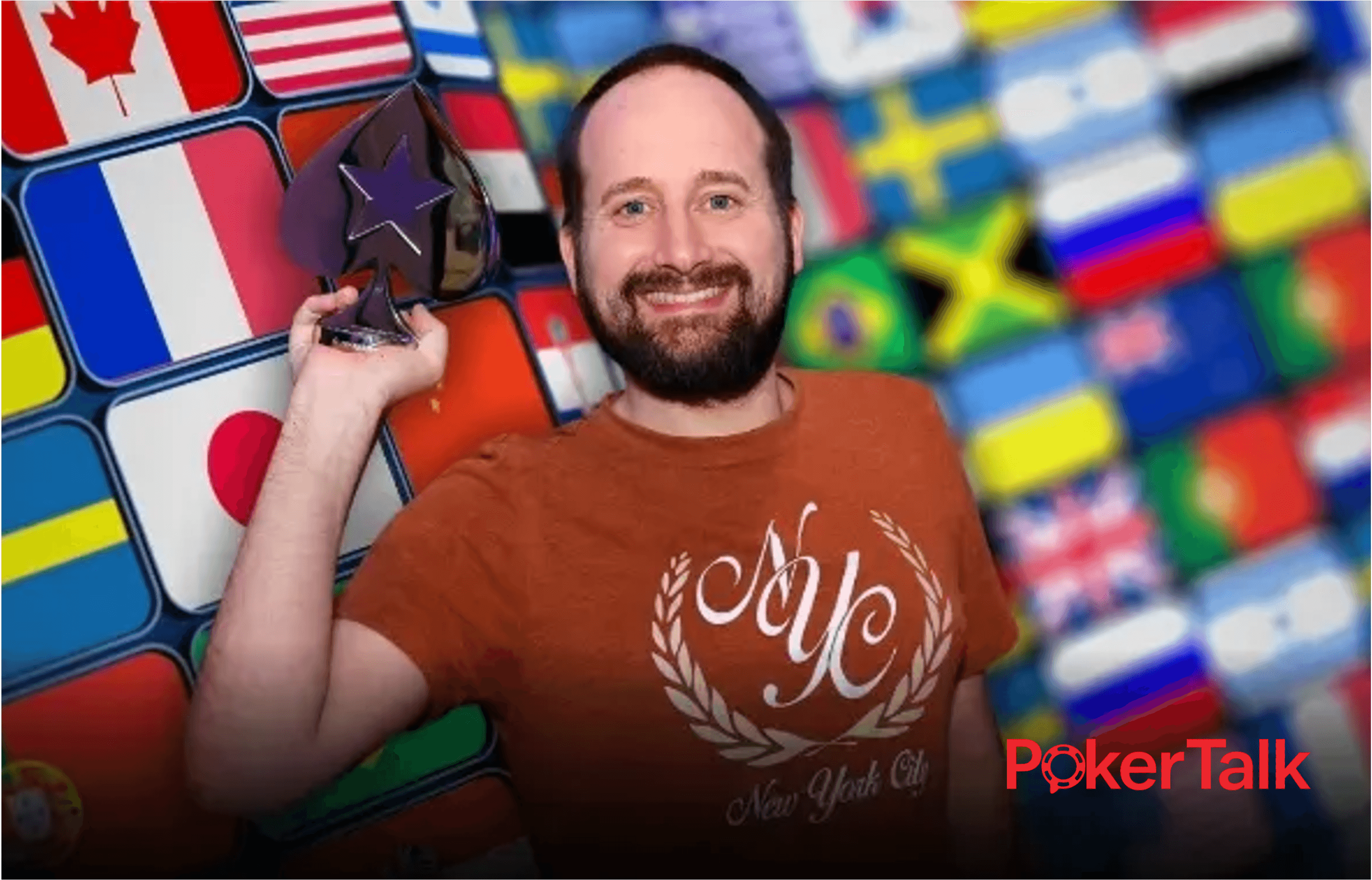
네덜란드 출신 레크리에이션 플레이어 코엔 루스가 2025년 한 해 동안 50개국 포커 토너먼트 캐시를 기록했다. 이는 기존 최고 기록(48개국)을 넘어선 수치로, 현재 세계 기록 공식 인정을 추진 중이다. 기록 달성 방식 연 1회 개최 국가 우선 공략 대회 일정에 따라 즉각 이동 캐시 후 휴식 없이 다음 국가 이동 초반 20일 동안 아시아 5개국 캐시와 2개국 토너먼트 우승을 기록했다.
PokerStars Open Returns to Philadelphia in March

PokerStars Open Philadelphia will take place from March 16 to 23 at Live! Casino & Hotel Philadelphia. Key Highlights • Series dates: March 16–23 • Venue: Live! Casino & Hotel Philadelphia • Women’s Event: $10,000 guaranteed • PokerStars Cup: $50,000 guaranteed • Main Event – $500,000 guaranteed – $1,100 buy-in Last year’s Main Event attracted 1,154 entries and generated a prize pool of over $1.1 million. The champion was Edward Leonard, who took home $147,806 after a three-way deal at the final table.
GGPoker Revamps Loyalty Program, Ocean Rewards Goes Live on January 30

GGPoker is rolling out a major update to its player rewards system. The existing Fish Buffet program will be phased out and replaced by a new loyalty structure called Ocean Rewards, launching on January 30. The direction of this change is pretty clear. Instead of short-term missions and grind-heavy requirements, the new system focuses on long-term consistency and more stable rewards for regular players. The biggest upgrade is the cashback cap. With Ocean Rewards, players can now earn up to 80% cashback, a significant jump from the previous 60% limit under Fish Buffet. Rewards are no longer tied to short-term volume pushes but are calculated over longer, more sustainable play periods. The tier system has also been reworked. Once a tier is reached, it stays locked in until the end of the following year, removing the pressure of sudden downgrades caused by short breaks or lower volume. Earning has been simplified as well. Players collect Tide Points and Gems through gameplay, and as tiers progress from Fish to Shark, the Gem earning rate increases. For existing users, the transition is automatic. On January 30, all accounts will be migrated to Ocean Rewards without any action required. Any remaining Fish Buffet rewards will be automatically cashed out and added to player balances. According to GGPoker, the goal of this update is to move away from short-term competition-based rewards and toward a system that genuinely values long-term loyalty. Overall, the new structure looks more predictable and easier to manage. Whether the real-world value matches expectations will become clearer after launch, but the reward system itself is clearly simpler and more player-friendly than before.
WPT Global Announces Tony “Ren” Lin as Brand Ambassador

WPT Global has officially announced the signing of Tony “Ren” Lin as its newest brand ambassador. Lin is a high-stakes tournament player with more than $16 million in recorded live earnings, ranking among the top Chinese players of all time. With this move, he joins WPT Global’s ambassador lineup alongside names such as Phil Ivey, Fintan Hand, and Pete Chen. The announcement has drawn mixed reactions within the poker community due to Lin’s past involvement in an RTA (real-time assistance) violation. In late 2025, Lin was disqualified from the WSOP Super Circuit Main Event in Cyprus after breaching tournament regulations. The incident resulted in suspension measures from both WSOP and GGPoker events. Following the ruling, Lin ended his ambassador role with GGPoker. Approximately seven weeks later, he returned to the live circuit at the WSOP Paradise series, which sparked further discussion around disciplinary consistency in professional poker. In response to the signing, WPT Global stated that its ambassador selection process is based on proven performance and competitive results rather than online influence or follower counts. The platform emphasized its focus on accountability, long-term growth, and future contribution to the game. Lin first gained widespread attention in 2022 after a deep run at the WPT Five Diamond World Poker Classic. He followed that performance in 2023 by winning the $50,000 WPT Alpha8 event in Las Vegas, defeating Jason Koon heads-up for a seven-figure payout. He has continued to appear regularly on major stages, including the WSOP Main Event and WSOP Paradise events, maintaining an active presence at the highest levels of tournament poker. WPT Global’s decision highlights an ongoing conversation within the poker industry regarding responsibility, rehabilitation, and second chances. How Lin’s role develops moving forward will be closely watched by the community.
How to Play Against Limpers in Small-Stakes Games
One of the most common situations in small-stakes no-limit hold’em is facing multiple players who choose to limp preflop. While it may look like an easy spot to attack, playing against limpers without a clear plan can quickly become costly. In most cases, limpers are entering the pot with hands they don’t feel confident raising. Against these players, raising with strong, straightforward hands such as high cards, Broadway combinations, suited aces, or medium pairs can be very effective. When they limp and call, you often go to the flop with a range advantage. However, not every limper is weak. Some players will occasionally limp strong hands to trap aggressive opponents. If a limp is followed by a re-raise, it’s usually a sign to slow down and reassess the situation. A common and effective raise size against a single limper is around four to five big blinds. If called, continuation betting on many flops can be profitable, but board texture matters. Middle-card-heavy boards tend to favor players who limp-call with suited connectors, while high-card boards often favor the aggressor. When several players limp and the table appears weak overall, raising bigger can sometimes win the pot immediately. Even if one player calls, their range is often wide and vulnerable to pressure after the flop. The key takeaway is balance. Attacking limpers is important, but doing it blindly will get you trapped over time. Reading tendencies and adjusting your aggression is what turns limpers into a long-term source of profit.
Historic Finish to the 2025 GPI Race as Asia Claims Its First Player of the Year
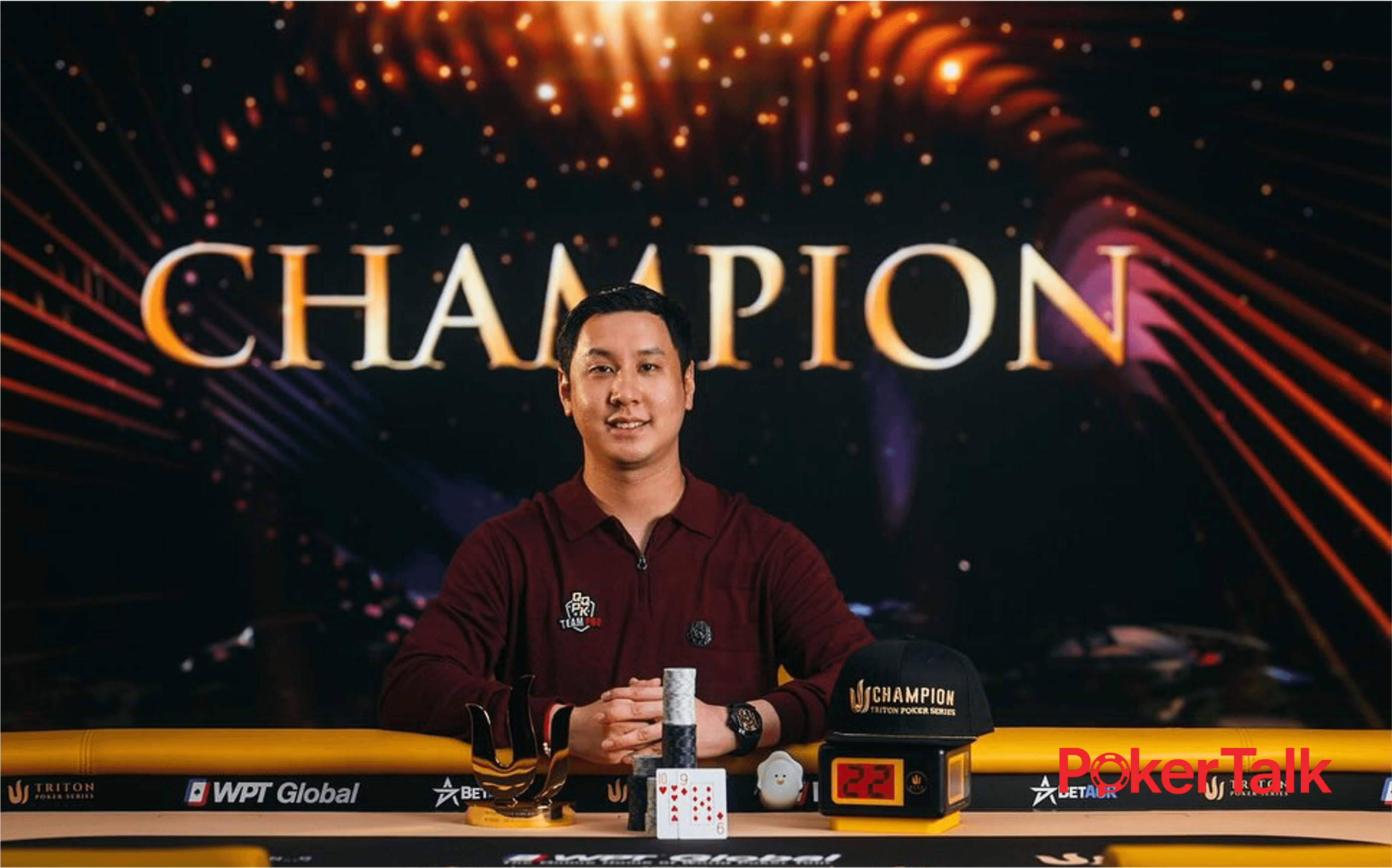
The 2025 Global Poker Index (GPI) Player of the Year race has concluded with a historic outcome, as Thailand’s Punnat Punsri secured the overall title and became the first Asian player ever to win the prestigious award. Punsri delivered a remarkably consistent season across the world’s biggest poker stages. While much of his volume came from the Triton Poker Series, he also posted strong results on the APT, EPT, WPT, and WSOP circuits. Over the course of the year, he recorded 61 cashes and seven victories, adding nearly $11 million to his career earnings and pushing his lifetime total beyond $30 million. The final standings were decided late in the year at the WPT World Championship. A third-place finish in a $25,000 NLH High Roller allowed Punsri to pick up crucial points and narrowly edge out Jesse Lonis for the top spot in the GPI rankings. Lonis, who finished second overall for the second consecutive year, still enjoyed an outstanding 2025. His results were enough to secure both the United States National Player of the Year title and the North America Continental Player of the Year award, while also leading all players in total tournament earnings for the year. In the female category, Kristen Foxen once again stood above the field. Foxen captured her fifth GPI Female Player of the Year title in the past eight years, finishing more than 700 points clear of the runner-up. Her 2025 campaign also saw her take over the top spot on the Women’s All-Time Money List. The Mid-Major Player of the Year honor went to Algeria’s Omar Lakhdari, while continental and national rankings across Europe and Latin America were claimed by several familiar elite names. Beyond individual achievements, the 2025 GPI results marked a defining moment for Asian poker, signaling its growing presence and influence at the highest levels of the global game.
Hellmuth Father and Son Reach Final Tables on the Same Day

The Hellmuth family shared a rare moment on the same day, reaching final tables on different stages. Phillip Hellmuth competed in the WSOP Circuit $600 Monster Stack in Las Vegas and finished 10th out of a 541-player field. He fell just short of the final table, but the result still marked another solid step early in his tournament career. After the event, Phillip described the day as “bittersweet,” reflecting on how close he came. At the same time, his father, Phil Hellmuth, was playing a final table of his own at the PokerGO Studio. Competing in the opening event of the PokerGO Tour Last Chance Series, Hellmuth finished in 4th place for $98,100. Despite the payday, he clearly wasn’t satisfied. Shortly after busting, Phil posted a simple message online: “Like father, like son.” He added that even with a fourth-place finish and nearly six figures in winnings, it was “one of those days” that didn’t feel good. Phillip Hellmuth has been steadily building his résumé since 2025, recording multiple cashes across WSOP and regional events. With this latest result, his live tournament earnings now sit just above $35,000. It’s still early, but the progress is noticeable. As for Phil Hellmuth, the final table could have gone differently. He was briefly in contention for the chip lead before losing a key all-in pot that shifted the momentum. After that, pressure from the remaining stacks proved too much, and his run ended in fourth place. Same day, same stage, different generations. While neither result ended with a trophy, seeing father and son reach final tables on the same day was a reminder of how the Hellmuth name continues to echo through the poker world.
A new tournament series has kicked off at Wynn Las Vegas to start the year.

The Wynn Signature Series is running from January 5 to January 19, featuring over $1.4 million in total guarantees. The schedule includes 29 events with buy-ins ranging from $200 to $1,100, making it accessible for a wide range of players. One of the standout points of this series is the variety of formats. Alongside No-Limit Hold’em, there are plenty of mixed-game events such as Big O, Limit 2-7 Triple Draw, Mixed Triple Draw (2-7 / A-5 / Badugi), 5-Card PLO, TORSE, and Double Board Bomb Pot games. Early events already offer solid value. A $600 NLH event carries a $200K guarantee, the $400 Big O comes with a $20K guarantee, and there’s also a $600 NLH Progressive KO tournament with $50K guaranteed. The main highlight of the series is the multi-day $1,100 NLH event running from January 9–12, featuring a $400K guaranteed prize pool. In addition, players can find a $600 NLH with a $250K guarantee and a $400 NLH with $100K guaranteed on the schedule. The Wynn poker room has been active since the New Year, with multiple events already producing winners across nightly, rebuy, and mid-stakes tournaments. The overall atmosphere feels busy and competitive. Personally, mid-sized series like this—right after major championships—often seem to offer a good balance of structure and field quality. If you’re planning a Vegas trip this month, the Wynn Signature Series is definitely worth a look.
ClubWPT Gold Introduces Monthly 9-Day Restriction for California Players
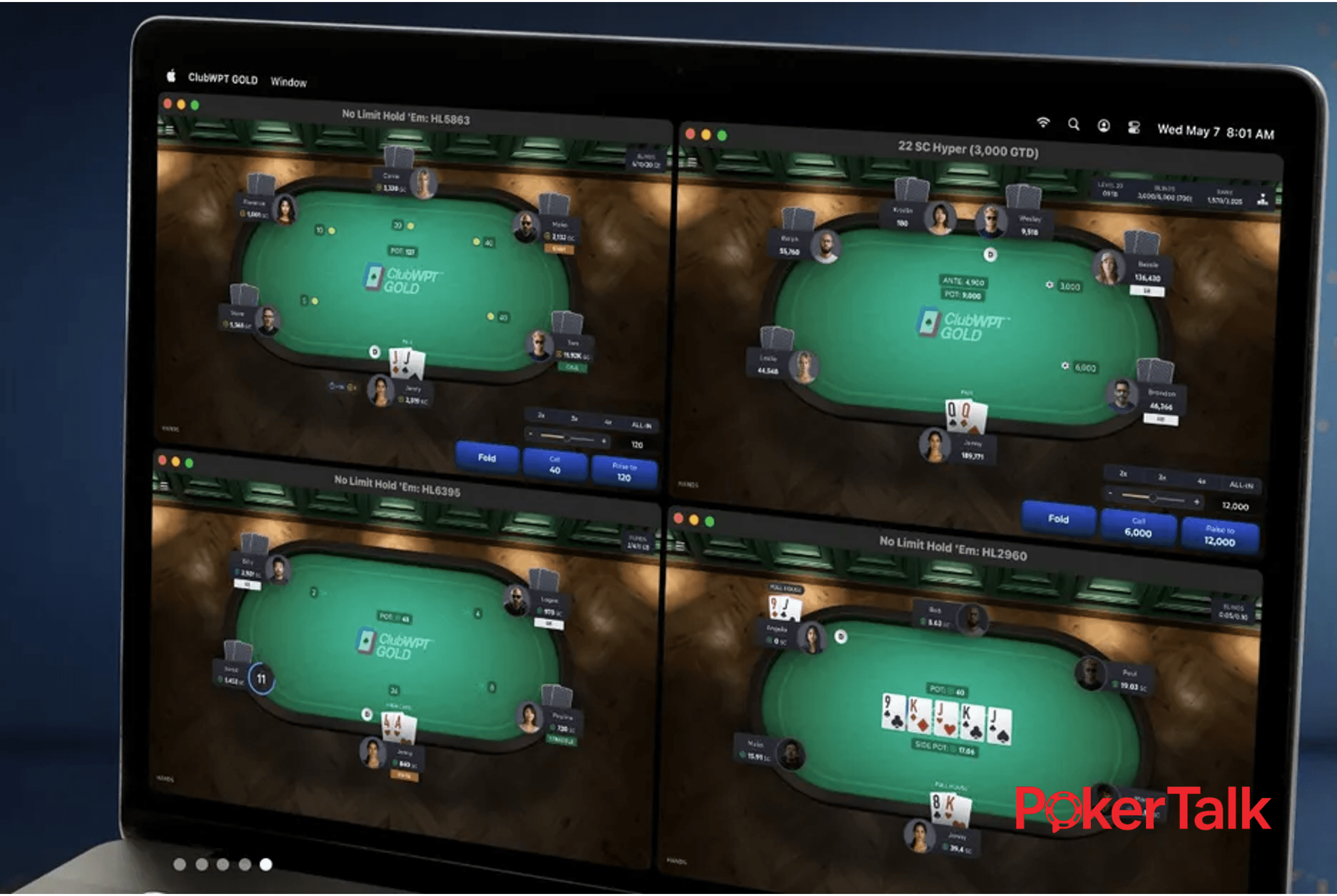
ClubWPT Gold has rolled out a new policy specifically targeting players located in California. Following the enforcement of stricter regulations on online sweepstakes-style gaming in the state, the platform now limits cash-redeemable play to a maximum of nine days per calendar month for California-based users. The change appears to be a direct response to California legislation that restricts sweepstakes gaming, while still allowing limited and occasional promotional gameplay under specific conditions. ClubWPT Gold refers to these eligible days as “California Game Days (CGD).” The nine days are not fixed dates. They do not need to be consecutive, nor do they have to start at the beginning of the month. Instead, CGDs are defined as the first nine days in a month when a player actively participates in ring games or tournaments while physically located in California. Players may continue to play on the platform outside of CGDs. However, chips earned on non-CGD days are not immediately redeemable for cash. Those chips can still be used in future gameplay. If they are played during a CGD and result in new winnings, only the newly earned chips become eligible for cash redemption. In practice, this creates a one-step playthrough requirement for non-CGD winnings. ClubWPT Gold has positioned this system as part of a broader skill development and training experience, emphasizing practice, hand analysis, and long-term improvement rather than unrestricted real-money play. The policy aligns with the platform’s recent strategic shift toward poker education, including expanded hand analysis tools, training-focused features, and subscription-based offerings. As some competing platforms have chosen to exit the California market entirely, ClubWPT Gold has opted for a partial-access model that allows continued participation within regulatory boundaries. While the monthly limitation reduces flexibility, the move highlights an ongoing effort to remain operational in one of the largest and most complex poker markets in the United States.